


The wrong size rarely feels like a mistake at first. But over time, it reshapes routines, adds effort, and makes home feel heavier than it should.

Why bigger household items rarely feel better
Bigger household items often promise comfort and convenience, but over time they can make a home feel heavier, tighter, and harder to live in – even when everything looks fine.

Why some everyday items make home feel uncomfortable
Your home doesn’t feel uncomfortable because it looks bad. It feels that way because everyday items quietly demand attention, interrupt movement, and drain mental energy – even when they technically work just fine.

Size, sound, and simplicity: The 3 factors that matter in small calm spaces
In small spaces, the things you overlook elsewhere start shaping how your home feels. Size, sound, and simplicity don’t sell products – but they quietly decide whether everyday life feels calm or exhausting.

How Small Spaces Change the Way You Should Buy Things
Small spaces don’t just limit storage – they expose how well your buying choices actually fit your daily life. This article explores why living small changes what’s worth bringing home, and how that shift can create calm instead of constraint.
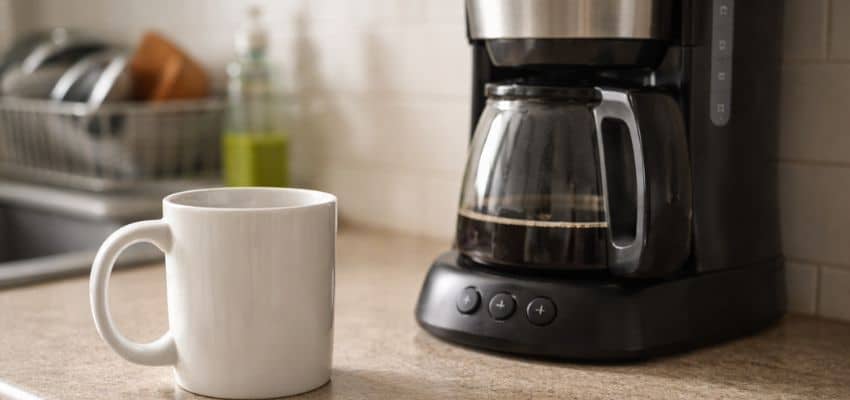
What “good enough” really means in everyday products
“Good enough” doesn’t mean settling. It describes the point where a product fits into your routine without effort – showing up when needed, lasting through daily use, and quietly reducing the need to overthink small decisions.

How to choose everyday items that actually fit your routine
Most everyday items don’t disappear because they’re useless, but because they never quite fit into real routines. This piece explores how to choose things that align with daily life instead of fighting it.
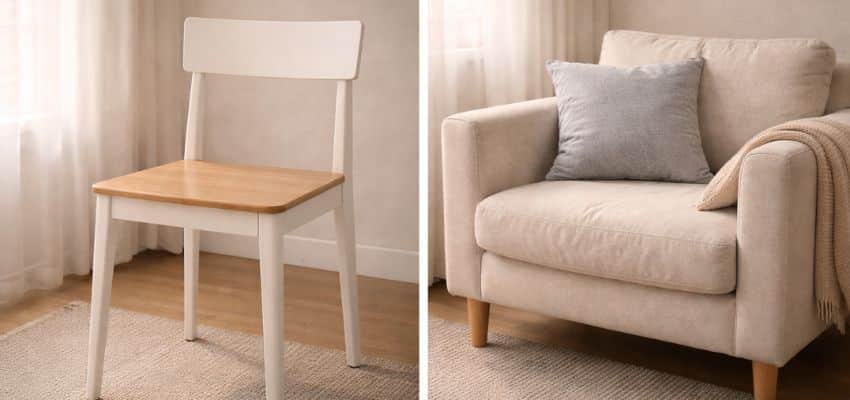
The difference between useful and comfortable
Not everything that feels comfortable is truly helpful in daily life. This piece looks at how comfort and usefulness differ – and why choosing the right one can quietly make everyday living easier.

What matters more than features when buying for daily use
More features promise flexibility, but daily life rewards ease. This article explores why products with fewer decisions often fit better into real routines.

Why more options rarely mean better choices in everyday shopping
More options are supposed to make choosing easier. Instead, they often turn everyday shopping into mental work that lingers long after the decision is made.