You Do Not Need a Meditation Cushion to Start
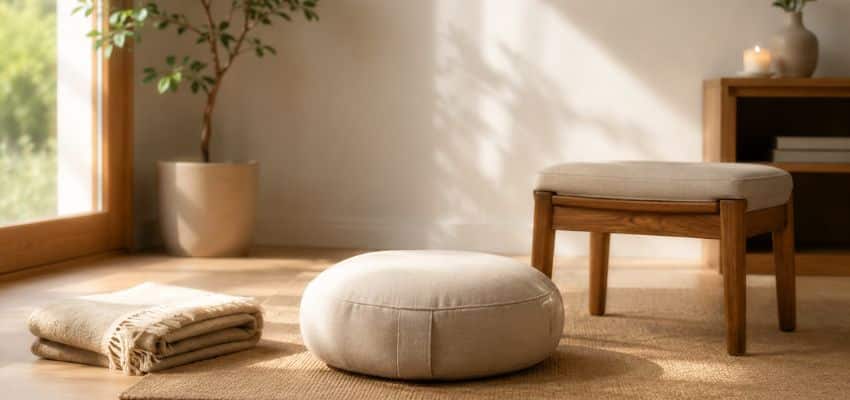
You do not need a meditation cushion to begin meditating. You need a sitting setup that feels steady enough to repeat, whether that is a chair, a folded blanket, a firm pillow, or eventually a simple cushion.
The smart starting point is not buying more gear. It is noticing what makes sitting harder than it needs to be. If you are still building a basic routine, this broader guide to smart meditation gear for beginners can help you keep the setup simple instead of overbuilding it.
- When you can meditate without a cushion
- When a cushion actually solves a sitting problem
- Which simple support fits the friction you feel
- When to skip buying and keep using what already works
Quick Answer: Start With What You Have, Then Fix the Sitting Problem
Try Sitting Without Buying Anything First
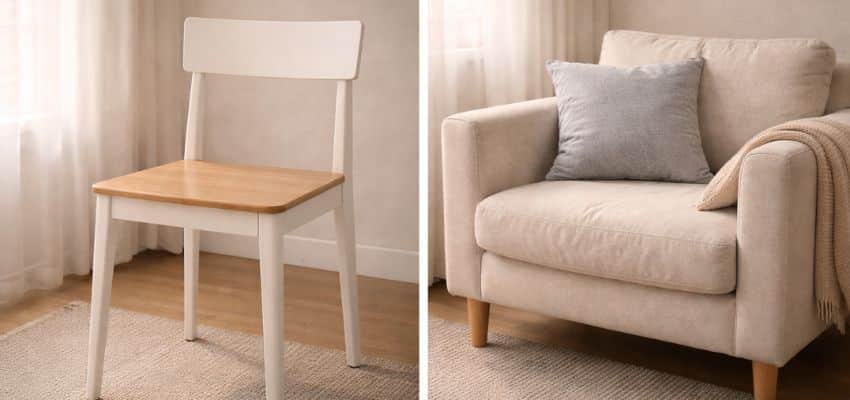
- Use a Chair If Short Sessions Already Feel Stable For short beginner sessions, a chair can be enough if your body feels steady and you can return to the setup easily.
- Fold a Blanket Under Your Hips to Test Seat Height A folded blanket can show whether low seat height is the real problem before you buy a dedicated cushion. If that little lift helps, check what height meditation cushion do I need before choosing one.
- Consider Buying Only When the Same Problem Keeps Coming Back A cushion makes sense when the same sitting problem repeats across multiple sessions, not when the setup only feels incomplete.
Use this section as a no-buy-first test: try simple meditation cushion alternatives before turning a beginner practice into a shopping project.
If Your Hips Sit Too Low, Raise the Seat Before Adding More Gear
Low Hips Can Make Your Back and Hips Work Too Hard
- Your back may start doing the work When your seat is too low, sitting upright can feel like something you have to hold instead of something the setup supports.
- Your hips may feel stuck If your knees sit much higher than your hips, cross-legged sitting can feel tight or tiring early in the session.
- Height comes before extra gear Try solving the height problem first before adding a zabuton, full set, back support, or more accessories.
A Zafu Is Mainly for Seat Height, Not Better Meditation
-
Use it for liftA zafu is useful when the main problem is low seat height during floor sitting.Look forEnough firmness to raise your hips without collapsingAvoidBuying one because it looks like the correct meditation setup
-
Keep the job narrowA cushion should solve one clear friction first: hip height, stability, or sitting repeatability.Look forA simple shape and fill that match how you sitAvoidAdding a full setup before you know the problem
-
Skip it when your current seat worksIf a chair or folded blanket already lets you sit comfortably enough, a zafu may not add much yet.Look forA repeated height problem across several sessionsAvoidUpgrading only because the setup feels incomplete
A Small Buckwheat Cushion Can Keep the Setup Simple
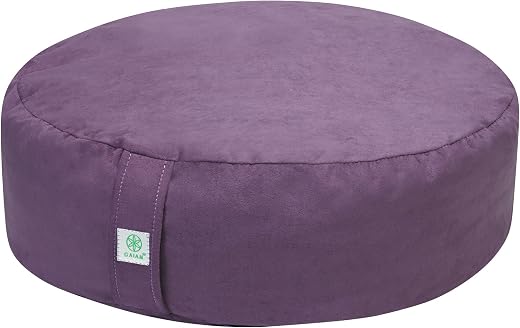
This cushion belongs in the low-hips section because it represents the small-first option: one firm seat lift, not a full gear setup. If you are still comparing beginner-friendly options, keep it in context with best meditation cushions for beginners.
If Cross-Legged Sitting Feels Cramped, Change the Cushion Shape
Round Cushions Do Not Fit Every Leg Position
- Round cushion
A round cushion gives even support under the seat, but it can feel crowded for some cross-legged positions if your thighs need more space in front.
- Crescent cushion
A crescent shape leaves more open space around the front of the seat, which may feel easier if your legs feel compressed on a round cushion.
- Cramped sitting
This is the feeling that your legs, thighs, or hips have enough height but not enough space. In that case, buying a thicker cushion may not solve the real problem.
A Crescent Shape Can Leave More Space for Your Thighs
-
Check whether height is already enough
If your hips feel supported but your thighs still feel squeezed, the issue may be shape rather than height.
-
Notice where the pressure appears
A shape change makes more sense when the discomfort comes from crowded thighs or hips, not from knees pressing into a hard floor.
-
Avoid buying thicker by default
A taller cushion can raise your seat, but it may not create more usable space for your legs.
This section uses the round vs crescent meditation cushion angle from the GSC file, but keeps it inside the decision guide instead of turning this article into a separate shape comparison.
Adjustable Fill Can Help You Change Height Without Buying Again

This cushion belongs in the shape section because it combines a more open crescent form with buckwheat fill. Consider this type only if your main friction is cramped cross-legged sitting; skip it if a chair, blanket, or round cushion already gives you enough space.
If You Want More Comfort, Check Support Before Softness
A Soft Cover Can Feel Cozy but Still Sink Too Much
A Regular Pillow Works Only If It Holds Its Shape
-
Press down before you sit
If the pillow collapses under light pressure, it may not hold enough height for floor sitting.
-
Sit for your real session length
A pillow that feels fine for one minute may sink after five or ten minutes. Test it for the length you actually plan to use.
-
Watch for constant adjusting
If you keep shifting, folding, or re-stacking the pillow, the problem may be support rather than softness.
This keeps the answer practical for meditation cushion alternatives and the question can you meditate without a cushion: use what you own first, but do not confuse a soft seat with a stable one.
A Round Floor Cushion Should Feel Comfortable Without Collapsing

This cushion belongs in the comfort section because it represents the cozy-surface branch of the decision, not a must-buy recommendation. Consider this type only if a regular pillow feels too unstable but you still prefer a round floor seat.
If Your Knees or Ankles Hurt, Add Floor Padding Instead of More Height
Seat Height and Floor Pressure Are Different Problems
- Seat height
This is the lift under your hips. It matters when your hips sit too low and your back or hips have to work too hard.
- Floor pressure
This is the pressure under your knees, ankles, or feet. A taller cushion may not help if the real problem is the hard floor underneath you.
- Zafu and zabuton
A zafu raises the seat. A zabuton pads the floor. You may need one, both, or neither depending on where the discomfort actually shows up.
A Folded Mat Can Show Whether Padding Is Enough
-
Keep your seat height the same
Do not change everything at once. Keep your current chair, blanket, or cushion height the same so you can tell whether the floor is the issue.
-
Add padding only under pressure points
Place a folded yoga mat, towel, or blanket under the knees, ankles, or feet. If that helps, you may need floor padding more than extra seat height.
-
Skip the set if one layer solves it
If a simple folded mat removes the pressure, you do not need to buy a zafu-and-zabuton set just to make the setup look complete.
Use this as a floor-padding test, not a medical fix. If knee or ankle pain is sharp, persistent, or worsening, do not try to solve it with meditation gear alone.
A Cushion Set Makes Sense Only When You Need Both Lift and Floor Support

This set belongs in the floor-pressure section because it combines a raised seat with a padded base. Consider this type only after you know that both problems are present; otherwise, a single cushion, folded blanket, or mat may be enough.
If Cross-Legged Sitting Does Not Suit You, Do Not Force a Zafu
Chair Sitting Is Still a Valid Meditation Setup
You can use a chair if it helps you sit steadily and return to practice without extra friction.
For a beginner, a repeatable seat matters more than copying a floor posture that does not fit your body.
A zafu mainly supports floor sitting. If cross-legged sitting itself feels wrong, changing position may help more than changing cushions.
This keeps the decision focused on the real friction, not on buying another version of the same tool.
A chair can be the simplest setup when it keeps your body stable and makes the habit easier to repeat.
This article is about reducing friction, not making the setup look more traditional.
Kneeling Can Be Easier Than Fighting Your Hips
-
Notice whether the problem is the crossed-leg shape
If your hips or knees resist the cross-legged position even after testing height, the posture may be the issue.
-
Try kneeling without buying first
Use a folded blanket, yoga block, or firm cushion between the legs for a short test before considering a bench.
-
Keep the test short and pressure-free
Kneeling support should make sitting simpler. If it creates new pressure or discomfort, return to a chair instead of forcing it.
This supports the meditation cushion alternatives angle without treating any tool as required.
A Small Bench Can Replace a Floor Cushion for Kneeling Practice

This bench belongs in the posture-alternative section because it represents a different sitting position, not a better cushion. Consider this type only if cross-legged sitting keeps getting in the way and a simple kneeling test feels easier to repeat.
Conclusion: Choose the Smallest Setup That Solves the Real Problem
- Skip buying if a chair, folded blanket, or firm pillow already feels steady enough.
- Keep testing if you cannot name the problem yet: height, shape, softness, floor pressure, or posture.
- Buy one tool only when the same friction keeps coming back across sessions.
- Do not buy a full meditation setup when one small support would solve the issue.
You do not need a meditation cushion to start. A cushion is worth considering only when it solves a specific sitting problem that makes practice harder to repeat. Start with what you have, notice the real friction, then choose the smallest support that helps.